5 min read
Eid is usually a long day: morning prayer, then family visits, then a feast that runs late. Dress often leans new, neat and a little special, and the day can move between formality and warmth.
What you wear depends on your family, region and how you mark the day. This is guidance, not a rule, and comfort matters as much as polish.
From prayer to feast
For morning prayer, choose something neat and covered, easy to kneel and sit in. Many people wear a fresh, well-pressed outfit, and a shalwar kameez, an abaya, a kurta or a smart modest set all fit depending on your tradition.
Later visits and the feast are warmer and longer, so build in layers you can remove indoors and a shoe you can stand in for hours.
Fabric, colour and modesty
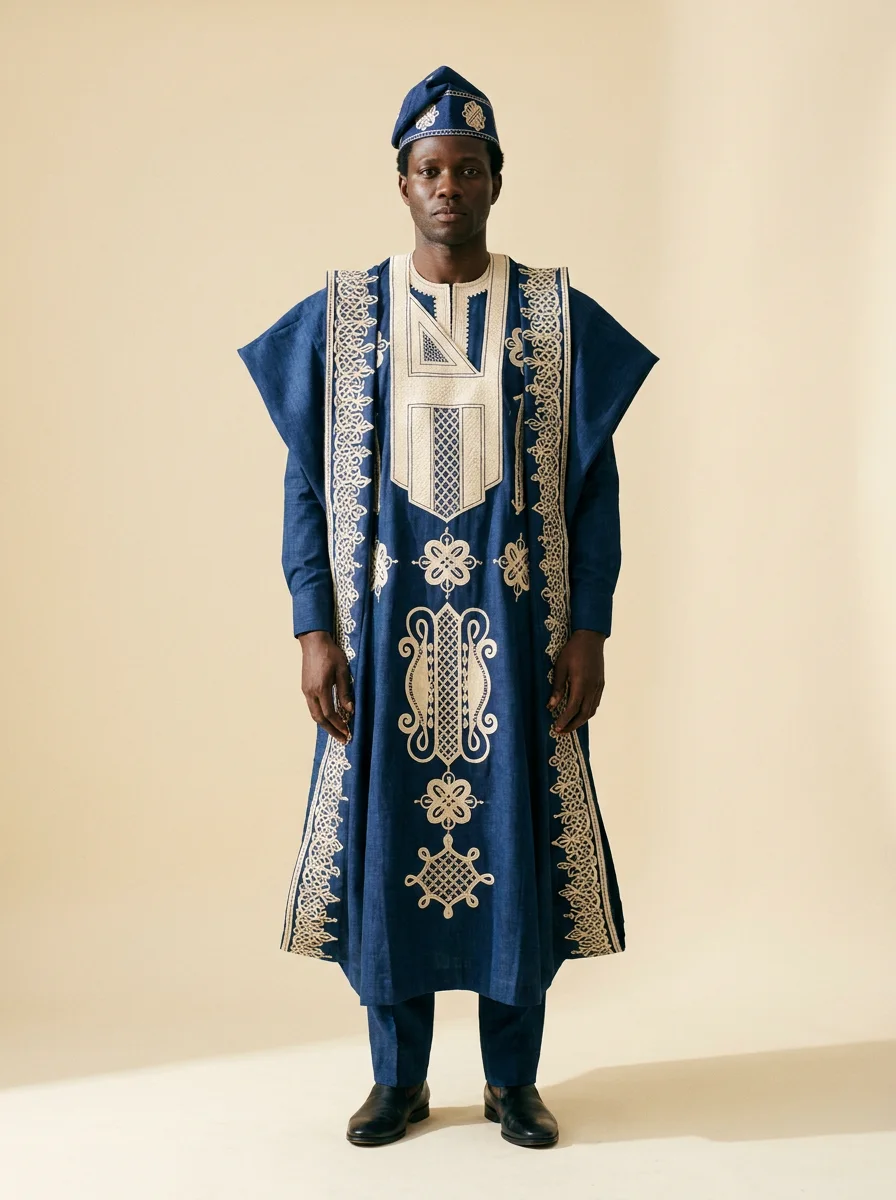
Festive fabric reads best: linen, silk, raw silk, or a fine cotton blend. Light, breathable pieces help with a long, warm day. Whites, creams, pastels and jewel tones all carry well, with the occasional deep green or blue.
Modesty is personal and varies by family and region. If you cover, choose breathable layered pieces that stay in place while you sit and move: a long sleeve, a loose trouser or skirt, and a well-anchored scarf.
Handling a very long day
Prayer, visits and a feast can last ten hours or more. Press your base layer, choose fabric that resists creasing, and carry a spare pin or a travel steamer if you can.
If you will travel between homes, keep the outfit easy to sit and stand in, and keep the outer layer distinct so removing it quickly does not disturb the rest.
The takeaway · For Eid, choose neat, breathable layers that move from morning prayer to a long family feast.